Understand Paternity Test Cost for DNA Accuracy
What Is the Accuracy of Home Paternity Tests? An In-Depth Look
Home paternity tests have gained popularity due to their convenience and accuracy rates that reportedly exceed 99%. However, their reliability copyrights on several critical factors, such as the method of sample collection and the testing procedures used. Even though these tests deliver discretion and affordability, they may not hold up in legal contexts. Grasping the complexities surrounding these tests is crucial, most notably when surprising outcomes emerge. What happens next can greatly impact personal relationships and legal matters.
What Are At-Home Paternity Tests and How Are They Used?
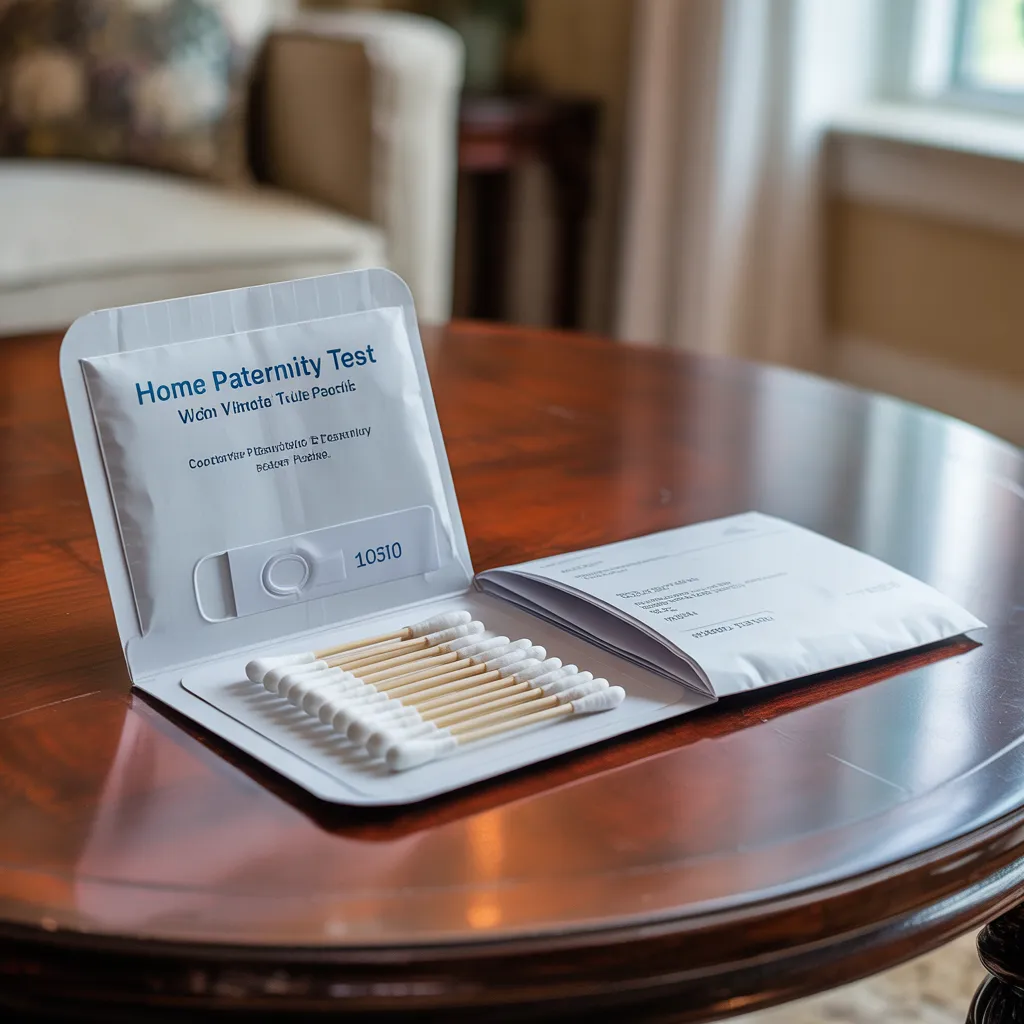
At-home paternity tests provide a practical choice for individuals seeking to establish biological ties without having to visit a testing facility. These assessments generally use an easy method centered around collecting genetic samples, frequently using buccal swabs collected from both the alleged father and child. When the samples have been obtained, they are sent to a testing laboratory, where advanced genetic analysis is conducted.
The tests analyze specific markers in the DNA to establish whether a biological relationship exists between the individuals. Most home paternity test kits provide instructions for sample collection and protective packaging for postal submission. Outcomes are generally provided within a short timeframe, allowing individuals to receive answers promptly. While these tests are accessible and user-friendly, it is essential to evaluate various factors that may influence their reliability and accuracy, a topic that will be addressed in later portions of this content.
How Accurate Are Home vs. Lab Paternity Tests?
The precision of paternity testing may vary substantially between at-home testing kits and professionally conducted laboratory tests. Home paternity tests generally claim to provide results boasting an accuracy rate of over 99%. Nevertheless, these outcomes frequently depend on accurate specimen collection and compliance with the guidelines. Improper sample processing can produce misleading results.
By comparison, lab tests utilize advanced methodologies and rigorous quality controls, typically delivering accuracy rates that reliably surpass 99.9%. Expert labs assess a broader range of genetic markers, which enhances the reliability of the results. Additionally, they offer expert interpretation of the findings, reducing the likelihood of errors that can arise with at-home testing.
Ultimately, while home testing kits are convenient, laboratory tests deliver a higher level of accuracy and reliability, making them the preferred option for people in need of definitive paternity confirmation.
Elements That Influence the Accuracy of Paternity Test Results
While many may assume that all paternity tests yield equally reliable results, several factors greatly influence their accuracy. The integrity of the DNA samples gathered plays an essential role; mishandling or sample contamination can lead to erroneous outcomes. Additionally, the exact testing procedures used by different laboratories affects reliability. Some tests analyze fewer genetic markers than others, which may produce less certain outcomes.
Timing also matters; performing a test during the early stages of pregnancy can produce inconclusive results. Furthermore, the presence of mutations or rare genetic markers can complicate interpretations. The mental and emotional condition of those involved may unintentionally affect sample collection, as anxiety may lead to errors. Finally, the reputation and accreditation of the testing facility are crucial; reputable labs adhere to strict quality controls, ensuring more reliable results compared to lesser-known providers. Collectively, these factors greatly shape the accuracy of paternity test outcomes.
Pros and Cons of Home Paternity Tests
How do home paternity tests measure up against conventional laboratory alternatives? Home paternity tests offer several advantages, including convenience and privacy. They permit individuals to obtain samples within the privacy of their homes, doing away with the requirement for clinical appointments. Additionally, these tests are generally more affordable than laboratory options, making them accessible to a broader audience.
That said, there are significant drawbacks. The precision of home tests can vary widely, often depending on the brand and approach utilized. Unlike accredited labs, which follow stringent protocols, home tests may fail to match the same level of reliability and accuracy. Moreover, results from home tests are typically not admissible in legal proceedings, limiting their use in formal situations, such as legal proceedings or custody-related matters. In the end, people should thoughtfully assess these useful guide factors before choosing between a home paternity test over a professional laboratory assessment.
How Should You React If Your Results Come as a Surprise?
When individuals receive surprising outcomes from a home-based paternity test, it is crucial to evaluate the emotional effects of these results. Understanding the feelings that arise can assist in working through the situation. Consulting a professional may also offer meaningful assistance and insight during this challenging time.
Assess Emotional Impact
The discovery of surprising paternity test results can bring about a intricate spectrum of emotions, ranging from shock to relief. Individuals may experience bewilderment, doubt, or resentment, particularly if the results challenge deeply held convictions or family stories. These reactions are often heightened by concerns about individual identity and family dynamics. It is crucial to recognize these emotions, as they can profoundly influence mental well-being. Working through the emotional aftermath may require patience and self-reflection, enabling people to consider their situation and think about the meaning of the findings. Reaching out to close friends or loved ones can provide essential support, while keeping a journal or pursuing creative endeavors may help in steering through these difficult sentiments.
Consult Professional Guidance
Unexpected paternity test results can cause individuals to struggle with overwhelming emotions, prompting the need for further support. In such instances, professional guidance becomes increasingly important. A qualified counselor or therapist can help individuals process their feelings, creating a secure environment to address difficult feelings including confusion, anger, or disbelief. Furthermore, consulting with a genetic counselor can clarify the implications of the test results, helping individuals understand their options moving forward. It is also beneficial to talk about the findings with a reliable family member or friend, making certain that the person has companionship during this trying time. At the end of the day, professional support can facilitate healthier coping strategies and informed decision-making in light of unexpected revelations.
Legal Impact of Home Paternity Testing Results
The legal validity of home paternity test results can considerably affect various legal proceedings. Courts often scrutinize the credibility of such tests, which may influence decisions in custody cases and additional family law issues. Being aware of these potential impacts is essential for those contemplating at-home testing.
Legal Weight of Results
Numerous people turn to home paternity tests for the comfort and discretion they provide, but the legal status of such results can be problematic. Typically, home test results are not admissible in court, as they fail to maintain the rigorous chain of custody required for legal proceedings. Judges typically mandate results from accredited laboratories that comply with rigorous standards to guarantee accuracy and reliability. Additionally, at-home tests might fail to offer conclusive paternity evidence, most notably when findings are challenged. Such absence of legal validity can result in complications when pursuing child support, custody arrangements, or inheritance claims. Therefore, while home-based paternity tests are capable of offering early indications, people ought to exercise caution regarding the potential legal consequences and pursue accredited testing for matters that could involve legal proceedings.
Potential Legal Repercussions
Findings from at-home paternity tests can cause considerable legal consequences, particularly when individuals attempt to use them in court. Judicial systems generally mandate paternity testing carried out under precise standards to secure dependability and proper documentation. Therefore, findings from unsupervised home tests may be considered inadmissible in court. This can complicate legal proceedings such as custody arrangements, estate claims, or guardianship rights, as the validity of the tests can be contested. Additionally, depending on these outcomes can result in personal and economic hardships for the affected families. Understanding the limitations of home tests is vital, as incorrect reading of their results may cause lengthy court proceedings or detrimental legal results. Qualified legal guidance is imperative in navigating these complexities.
Impact on Custody Cases
In what ways can home paternity test results impact custody cases? The outcomes of these tests can substantially impact legal determinations concerning child custody. If a home paternity test confirms a biological relationship, it could bolster a father's case for custody or visitation rights. Conversely, a negative result can undermine a father's case, potentially leading to the loss of parental rights or financial obligations. Judicial systems generally prioritize established legal parentage; as a result, home test results may not be accepted as conclusive evidence. That said, they can trigger further examination or investigation. Ultimately, while they offer insights, home paternity tests are not substitutes for formal legal processes, and their implications can vary based on jurisdiction and specific case circumstances.
Frequently Asked Questions
Is It Legal to Use Home Paternity Tests in All States?
At-home paternity tests are typically legal across most states; though the rules and requirements may vary. It's important for individuals to check local laws and any specific requirements regarding testing, especially for legal or official purposes.
How Long Does It Take to Get Results?
The turnaround time for home paternity tests is typically between 3 to 5 business days from the time the laboratory processes the samples. Certain providers may provide rush processing options, potentially reducing the wait time for those eagerly awaiting results.
Is a Home Test Valid for Legal Purposes?
Home paternity tests commonly fall short of the legal standing necessary for court use. They may provide accurate results for private information, but legally admissible results necessitate testing performed under stringent chain-of-custody guidelines by recognized testing laboratories.
Is a Doctor's Supervision Required for Home Tests?
At-home paternity tests require no medical supervision. Consumers can purchase and administer these tests without assistance, although seeking advice from a healthcare provider may provide additional guidance and help clarify the outcomes.
What Occurs if I Take the Test More Than Once?
Testing multiple times can yield varying results because of elements including the timing and methods used for sample collection. Consistency is essential; inconsistencies may encourage people to seek professional testing for more reliable and accurate conclusions concerning paternity determinations.