Top Clinics in Breast Augmentation Kuala Lumpur
Understanding Breast Augmentation: Your Complete Guide to Breast Implants, Enlargement Surgery, and Fat Transfer Options
Breast augmentation includes a variety of choices, each tailored to meet distinct aesthetic goals. Candidates may consider tissue expansion, breast implants, or fat transfer based on their individual needs. Each method carries a unique combination of advantages and drawbacks. Comprehending these differences is critical for reaching a well-considered conclusion. As patients consider their goals and desires, they could find themselves weighing the consequences of each approach. What elements will guide their concluding selection?
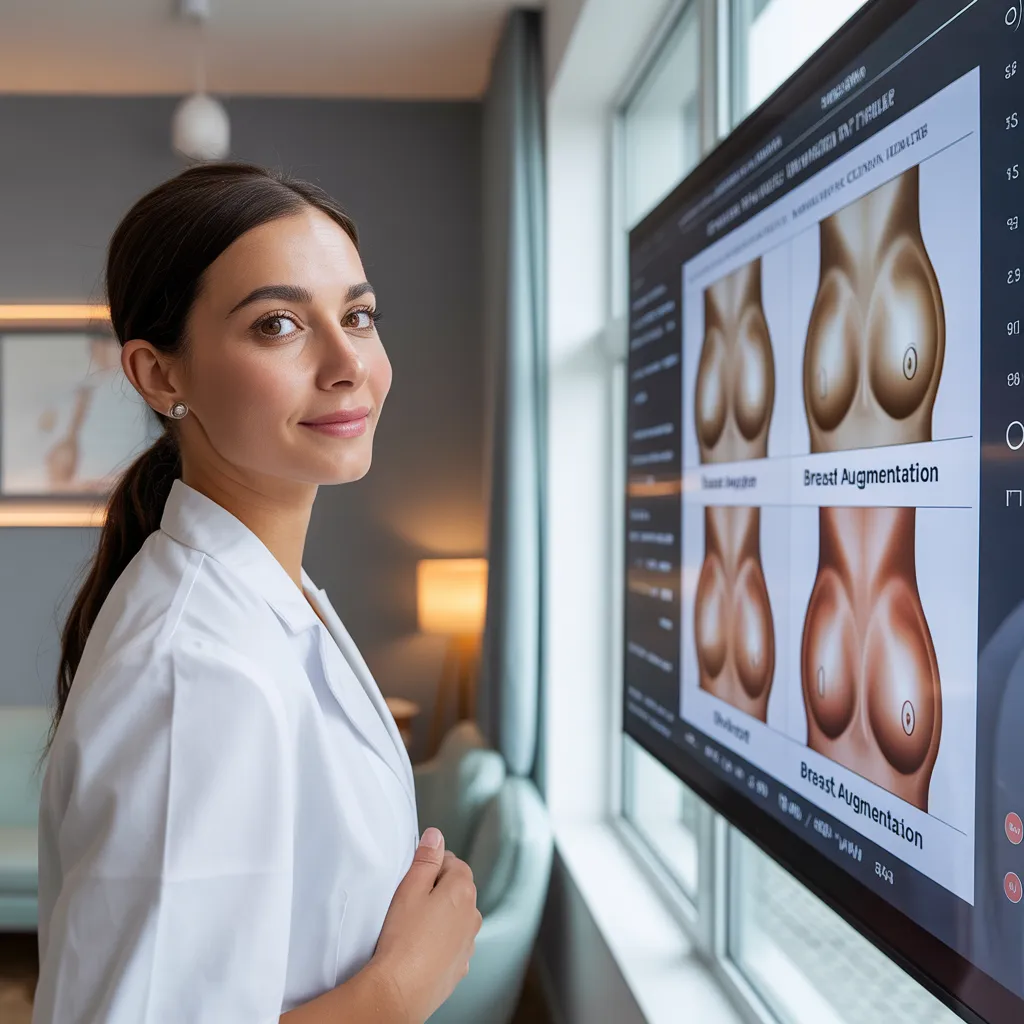
Breast Augmentation Explained: Important Options Covered
Breast enhancement surgery , frequently connected to enhancing physical appearance, encompasses a variety of options that cater to personal requirements and desires. The main approaches consist of breast implants, fat transfer, and tissue expansion. Breast implants, available in saline or silicone, come in a range of shapes and sizes, allowing customization to achieve desired aesthetics. Alternatively, fat transfer utilizes adipose tissue collected from various body regions, offering a more organic option, while presenting some restrictions in achievable volume. Tissue expansion serves as yet another technique, progressively extending the skin to prepare space for implants.
Each choice provides specific advantages and important considerations. Considerations like recuperation period, potential risks, and durability of results play significant roles in decision-making. In the end, those exploring breast augmentation are encouraged to seek guidance from experienced specialists to assess their specific goals, health conditions, and lifestyle, making certain that decisions are well-informed and suited to their personal needs. Gaining clarity on these primary choices is vital to navigating the path of breast augmentation.
Learn About the Benefits of Breast Augmentation With Implants
Numerous individuals seeking enhancement find that breast augmentation with implants offers a range of compelling benefits. This treatment can significantly enhance breast size and contour, helping patients attain their preferred aesthetic results. A key benefit is the wide range of available implant options and dimensions, allowing personalization to suit unique body shapes and desires.
In addition, breast implants often provide enduring outcomes, contributing to a more youthful look. Many people describe heightened self-esteem and a better body image post-surgery, elevating their overall well-being. The surgery can also achieve a more balanced silhouette, which can be especially advantageous for those with asymmetrical breasts.
Moreover, improvements in surgical methods and innovations have enhanced safety and shortened recovery times for individuals. With detailed preparation and guidance, people can experience the advantages of breast augmentation with implants, delivering a life-changing outcome customized to their specific desires.
Could Enlargement Surgery Be Right for You?
Determining whether enlargement surgery is the right choice necessitates a thorough assessment of multiple considerations. Patients should examine their personal motivations, whether they seek to enhance self-esteem, correct asymmetry, or achieve a desired aesthetic. Speaking with an experienced surgeon is essential, since they are able to offer valuable guidance on the advantages and potential risks of the surgery.
A complete medical evaluation is essential to identify any pre-existing conditions that may affect surgery. Additionally, candidates should evaluate their psychological preparedness and realistic expectations regarding the surgical outcomes. Recognizing the healing process and potential complications is of equal significance, as these can influence lifestyle and overall satisfaction.
At the end of the day, the choice should reflect individual goals and personal circumstances. Those who feel informed and prepared are better positioned to experience a rewarding experience. Carefully considering these considerations can produce a more confident choice regarding breast enlargement surgery.
How Fat Transfer Operates for Breast Augmentation
Fat grafting for breast enhancement involves the patient's natural body fat to augment breast fullness. This procedure provides various benefits, including a more natural appearance and minimized risk of adverse effects when compared to conventional implants. The most suitable candidates generally include individuals seeking subtle increases in size and those with sufficient fat reserves for harvesting.
Treatment Overview
Fat transfer breast augmentation utilizes a dual-step process that improves breast volume using the body's own fat. Initially, a surgeon conducts liposuction to remove fat from areas such as the abdomen, thighs, or flanks. This harvested fat is then processed to separate healthy fat cells, removing excess fluids and impurities.
In the next phase, the purified fat is precisely delivered into the breast tissue to reach the intended contour and fullness. The process usually calls for local anesthesia and can be performed on an outpatient basis. Recovery time is generally shorter compared to traditional implants, as it eliminates the use of artificial materials. This method not only improves breast fullness but also provides a natural feel and appearance.
Advantages of Fat Transfer
Many patients exploring breast augmentation find fat transfer to be an appealing option because of its natural outcomes and twofold advantages. This method entails harvesting fat from regions like the abdomen or thighs using liposuction and then placing it into the breasts. One of the primary advantages is that it provides a more organic feel and appearance compared to traditional implants. Furthermore, fat transfer improves body contours by eliminating unwanted fat from donor areas, creating a more harmonious silhouette. The outcomes can be enduring, and because the process utilizes the patient's own tissue, there is a reduced chance of rejection. Additionally, the healing process is generally faster, with reduced scarring in comparison to implant-based enhancement techniques.
Ideal Candidates for Surgery
When thinking about breast augmentation via fat transfer, prospective candidates should assess their overall wellbeing and individual cosmetic goals. Ideal candidates typically have sufficient body fat to harvest for the procedure, as this technique depends on the transfer of adipose tissue from areas such as the abdomen or thighs. In addition, candidates should hold practical expectations concerning the outcomes, acknowledging that fat transfer might not achieve the same degree of volume as standard implants. Patients looking for a more organic aesthetic and who prefer a minimally invasive approach may consider this option highly attractive. Moreover, individuals should be non-smokers and physically healthy, free from underlying health issues that could hinder the procedure or recovery. Seeking consultation from a skilled plastic surgeon is crucial for a tailored assessment and recommendations.
What Risks Should You Consider Before Augmentation?
Before proceeding with breast augmentation, individuals should carefully consider the possible risks associated with the procedure. Surgical challenges can develop before or following the surgery, causing unanticipated complications. Furthermore, prolonged health effects may arise, necessitating thorough discussion with a certified healthcare specialist.
Overview of Surgical Complications
Recognizing the potential surgical complications is important for those thinking about breast augmentation. Frequent complications related to the procedure include infection, potentially resulting in additional surgical intervention, and bleeding, potentially requiring blood transfusions. Capsular contracture, a situation in which scar tissue tightens around the implant, may also occur, leading to pain and cosmetic concerns. Furthermore, implants can rupture, leading to changes in breast shape and necessitating replacement. Anesthesia complications, although infrequent, may also carry significant risks. Ultimately, there may be unanticipated results, such as asymmetry or dissatisfaction with breast aesthetics. Understanding these risks allows individuals to make educated decisions and speak with their healthcare provider about concerns before moving forward with augmentation.
Long-Range Health Considerations
Examining lasting health consequences is vital for people considering breast augmentation. Potential risks include complications related to implants, such as leakage, rupture, or capsular contracture. These issues can necessitate additional surgeries, resulting in increased healthcare costs and emotional strain. In addition, while fat transfer may seem safer, risks such as uneven results or fat necrosis can occur. Additionally, questions exist regarding the long-term effects of silicone and saline implants on overall health, including possible connections to autoimmune disorders. Consistent monitoring and follow-up care with healthcare providers are necessary to managing any complications that develop. At the end of the day, individuals should measure these risks against their aesthetic start here goals to arrive at thoughtful decisions concerning breast augmentation.
Arriving at an Educated Decision: Factors to Weigh Before Your Surgical Procedure
What considerations are important when thinking about breast augmentation? Candidates should initially examine their individual motivations for undergoing surgery, confirming that they are consistent with realistic expectations. Body image and self-confidence are critical factors; examining one's emotional readiness is a vital part of the process. Additionally, prospective patients should carefully evaluate the risks linked to different procedures, including implants and fat transfer, given that adverse outcomes are possible.
Financial considerations represent another important aspect, which include surgical fees, possible additional procedures, and long-term maintenance. Researching qualified surgeons and their credentials is crucial for ensuring safety and satisfaction.
Finally, individuals should consider their way of life and how surgical intervention may influence it, including the recovery period and restrictions on exercise. Overall, reaching a well-informed decision requires a careful examination of personal goals, medical factors, and anticipated outcomes, ultimately leading to a choice that corresponds to the patient's goals and values.
Questions We Frequently Receive
How Long Do Breast Implants Typically Last?
Breast implants generally have a lifespan of anywhere from 10 to 15 years, although replacement may be necessary sooner owing to reasons such as complications or individual preferences. Routine examinations can assist in tracking their condition as time passes.
What Is the Recovery Time After Surgery?
Recovery time after breast augmentation surgery usually takes between one and two weeks for early recovery, with total recovery extending up to six weeks. Personal recovery timelines can vary according to the type of procedure and overall health status.
Do Age Restrictions Apply to Breast Augmentation?
A number of clinics require patients to be 18 years of age or older for breast augmentation, though some allow procedures for younger individuals with parental consent. The age requirements may vary depending on which type of augmentation is selected.
Can You Breastfeed Following Breast Augmentation?
Breastfeeding following breast augmentation is typically achievable for the majority of women. That said, personal factors such as technique used during surgery and anatomical differences may affect milk supply and overall breastfeeding outcomes. Speaking with a qualified healthcare provider is advised for individualized recommendations.
What Should I Look for When Choosing a Surgeon?
To select the most suitable specialist, one should research credentials, assess patient reviews, assess experience with specific procedures, and arrange meetings to talk through expectations, establishing a strong rapport and transparent dialogue throughout the decision-making process.