Recommended Thumb Splint
Thumb Injury Relief: Must-Have Orthopaedic Supplies for Quick Recovery
Injuries to the thumb can interfere with everyday activities, making recovery essential. Understanding the types of injuries and the appropriate orthopaedic supplies can aid in effective relief. Critical supplies such as splints, braces, and cold packs contribute significantly to recovery. Yet, understanding how to correctly use these supplies is just as important. When recovery moves forward, further strategies can improve healing and support a return to everyday activity. These following measures are critical to achieving a full recovery.
Which Thumb Injuries Are Important for You to Know About?
Understanding the numerous types of thumb injuries is crucial for proper treatment and recovery. Thumb injuries can vary from sprains and strains to fractures and dislocations. Sprains arise when ligaments are stretched too far, often resulting from unexpected movements or impact. Strains, on the other hand, include muscle or tendon injuries, commonly resulting from extreme physical force or habitual repetitive motion.
Fractures constitute another prevalent form, commonly arising from sports or accidents, where the bone can crack or break. Dislocations occur when the bones in the thumb are pushed out of their natural alignment, which can be severely painful and may require immediate medical attention. Moreover, chronic stress injuries, such as tendonitis, can emerge gradually due to motions involving gripping or pinching. Identifying these kinds of injuries can assist people in obtaining suitable treatment and establishing preventive practices.
Top Orthopaedic Supplies to Relieve Thumb Pain
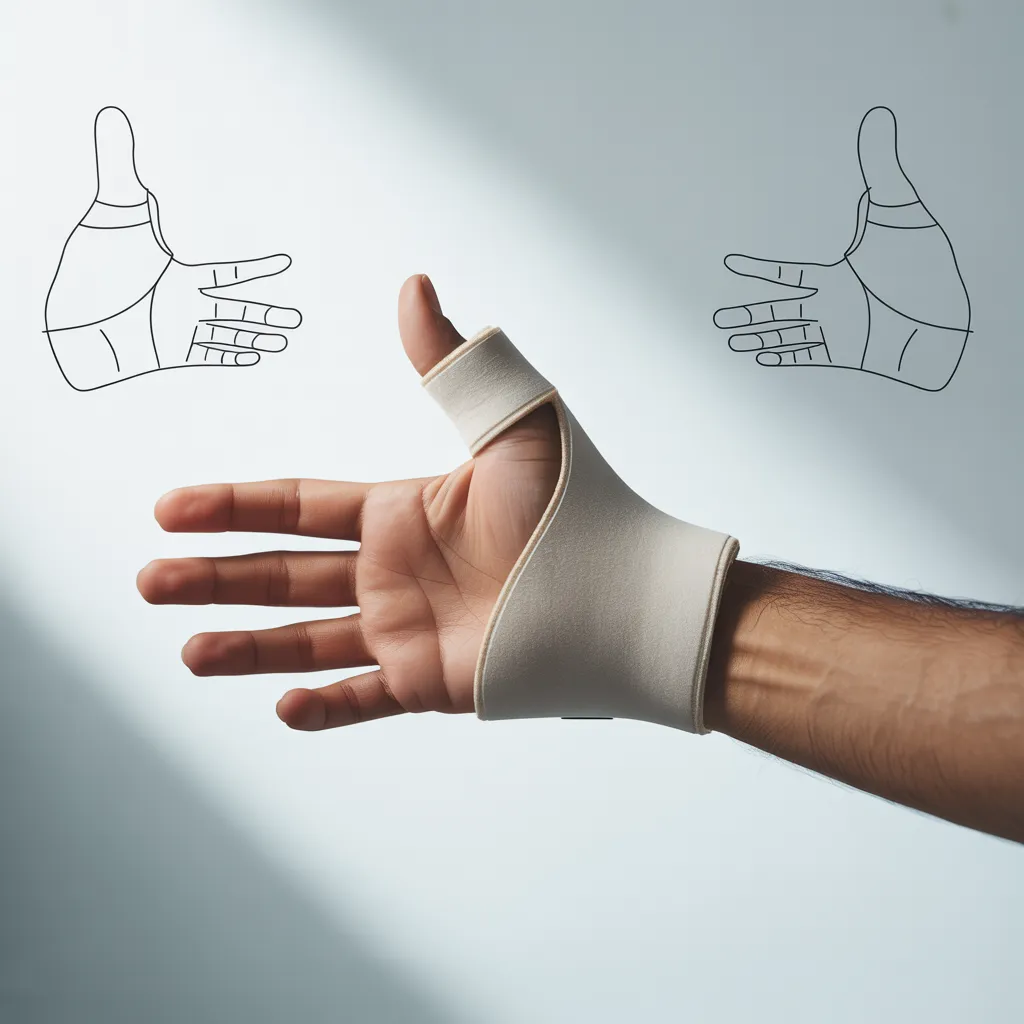
Effectively relieving thumb pain demands the right orthopaedic supplies tailored to the specific injury. Among the most important supplies are thumb splints, which immobilize the joint, delivering stabilization while minimizing pain during the healing process. These splints come in varying levels of rigidity, providing comfort and support relative to the severity of the condition.
Furthermore, thumb braces can deliver variable compression, enhancing blood flow and minimizing swelling. Cold packs are important for managing inflammation, while heat wraps can relieve stiffness in the later phases of healing.
When dealing with ongoing pain, over-the-counter orthopaedic supports, such as finger cots, may protect the thumb from further irritation.
Additionally, ergonomic tools intended to minimize discomfort in routine activities may assist in rehabilitation, encouraging healthy thumb movement. Together, these supplies form a thorough approach to managing thumb injuries and promoting recovery.
Using Ice Packs and Heat Therapy for Thumb Injuries
Applying ice packs and heat therapy can similar information considerably aid in the recovery process for thumb injuries. Ice packs work best during the early stages after an injury, helping to reduce swelling and numb pain. It is advised to use the ice pack for 15 to 20 minutes, using a protective barrier, such as a cloth, to safeguard the skin. This can be repeated every few hours as needed.
Conversely, heat therapy may prove helpful in the subsequent stages of recovery. The application of a warm compress or heat pad can improve blood circulation and promote healing. Heat should ideally be applied for 15 to 20 minutes, making sure the temperature remains comfortable. Heat must be avoided when swelling is present, as it may exacerbate the condition. Switching between ice and heat, when suitable, can offer balanced relief and effectively support recovery.
How to Select Pain Relievers for Thumb Injuries
Selecting the appropriate pain medications for thumb-related injuries entails evaluating both over-the-counter options and prescribed treatments. OTC analgesics, like ibuprofen or acetaminophen, can effectively manage mild and moderate discomfort. For more intense pain, speaking with a medical professional for prescribed pain relief options might be required.
OTC Options
When managing thumb injuries, identifying the best over-the-counter pain relievers can have a major effect on comfort and recovery. Noncopyrightal anti-inflammatory drugs (NSAIDs), such as ibuprofen and naproxen, are practical selections, as they address both pain and inflammatory responses. Acetaminophen can also offer comfort, particularly for those who may be sensitive to NSAIDs. It is important to assess personal health circumstances, as some people may have sensitivities or incompatibilities to specific medications. Recommended dosages must be adhered to strictly to avoid unwanted side effects. Additionally, seeking guidance from a healthcare specialist can help in determining the best course of action. Appropriate pain relief measures promotes better mobility and a quicker return to daily activities while mending a thumb injury.
Prescription Pain Medications
Maneuvering the domain of prescription pain medications for thumb injuries demands careful evaluation of several elements. To begin, the type and severity of the injury play a significant role in determining the suitable medication. Noncopyrightal anti-inflammatory drugs (NSAIDs) like ibuprofen can be suggested for mild to moderate pain, while opioids could be appropriate for intense pain management. Furthermore, the patient's medical history, including any pre-existing conditions or allergies, must be evaluated. The length of use is equally important, as prolonged use of opioids risks developing dependency. Speaking with a qualified healthcare provider is critical to establish the right balance between pain management and potential side effects. A personalized approach ensures effective recovery while reducing concerns related to prescription medications.
Essential Taping Strategies for Thumb Injuries
Taping methods can significantly improve recovery from thumb injuries by offering stability and reinforcement. Properly applied tape can immobilize the thumb, reducing strain on injured ligaments and tendons. One effective method is the figure-eight taping technique, which winds the tape around the base of the thumb and passes over the back, keeping it securely fastened while maintaining a degree of mobility. Another method involves using a rigid tape to create a splint-like effect, delivering the highest level of support during routine activities.
It is crucial to verify that the tape is properly tensioned in both directions, as poor application methods can cause further damage or compromised circulation. Many athletes find these methods advantageous, permitting them to preserve their athletic output while shielding the damaged area. Overall, effective taping can be a valuable component of a thorough approach to thumb injury management, promoting healing while minimizing discomfort.
Tools for Thumb Recovery and Rehabilitation
Many therapeutic tools are designed to support thumb healing and improve mobility. Such tools help to build strength, flexibility, and coordination in the damaged thumb. Specialized finger and thumb exercisers, commonly crafted from flexible silicone or resistance bands, permit patients to incrementally strengthen through targeted exercises. Furthermore, splints can provide necessary support during the healing process, promoting proper alignment and limiting strain.
Therapy putty is another effective tool, providing different resistance levels to improve hand and thumb dexterity. Additionally, range-of-motion devices enable users to carefully stretch and mobilize the thumb, reducing stiffness. Gripping aids, like ergonomic handles, assist individuals in daily tasks, building independence while facilitating recovery. Integrating these tools into a rehabilitation program can significantly improve outcomes, enabling individuals to regain full function and return to their daily activities more effectively.
How Long Does Thumb Injury Recovery Take?
What is the typical duration of thumb injury recovery? Recovery time differs significantly depending on the type and severity of the injury. Mild sprains or strains can often heal in just a few days to a week. On the other hand, more significant injuries, including fractures or tendon damage, can necessitate several weeks to months for a full recovery.
Key factors that impact healing time involve the patient's age, overall health, and adherence to rehabilitation protocols. To illustrate, those who diligently commit to physical therapy tend to heal at a more rapid pace. Moreover, ensuring appropriate immobilization and allowing proper rest are vital components throughout the beginning of the healing process.
Strategies for Avoiding Future Thumb Injuries
Taking proactive measures can significantly lower the likelihood of thumb injuries occurring in the future. As a starting point, one should participate in regular strength and flexibility exercises that directly address the thumb and hand. This type of exercise builds muscle support and strengthens joint stability. Furthermore, the use of ergonomic tools can alleviate strain caused by repetitive tasks, like typing or engaging in crafting activities. This includes adopting proper hand positioning and utilizing devices designed to reduce pressure on the thumb.
In addition, using protective equipment throughout physical sports and activities is necessary. Thumb support guards supply important support and protection, particularly within physically demanding sports.
Finally, sustaining a well-rounded lifestyle, including proper nutrition and hydration, contributes to overall joint health. Awareness of one's limits and pausing during prolonged activities can also be beneficial. By implementing these strategies, individuals can greatly decrease the likelihood of thumb injuries in the future, supporting lasting hand health.
Frequently Asked Questions
Is It Safe to Keep Exercising With a Thumb Injury?
Continuing to exercise with a thumb injury can be possible, but it relies on how serious the injury is. Modifying workouts to avoid strain on the thumb is vital for protecting the thumb and encouraging the healing process.
When Is It Time to See a Doctor for a Thumb Injury?
Professional medical advice should be obtained regarding a thumb injury should pain last longer than a few days, swelling continues to grow, movement becomes restricted, or if there are visible deformities. Early evaluation can prevent complications while ensuring proper treatment is received.
Do Home Remedies Exist for Relieving Thumb Pain?
Natural home-based solutions for thumb pain management include rest, ice application, gentle stretching, and over-the-counter pain relievers. Elevating the hand and using a compression wrap can also help alleviate discomfort and promote healing.
What Are the Signs of a Severe Thumb Injury?
Signs of a serious thumb injury consist of intense pain, swelling, bruising, trouble moving the thumb, visible deformity, and numbness or tingling. Immediate medical attention is recommended if these symptoms are present to minimize the risk of further complications.
How Do I Build Thumb Strength Following Recovery?
To improve thumb strength post-recovery, it is recommended to participate in targeted exercises, such as thumb opposition and grip strengthening, while slowly building up resistance. Regular practice and correct form are essential for effective rehabilitation and improved strength.