Peptide side effects: Our Important Facts for Health Risks
Grasping Therapeutic Peptide Side Effects: What You Must Learn Before Using Them
Peptides have gained attention for their possible wellness advantages, yet understanding their side effects is vital. While they may enhance recovery and cognitive function, users must also consider the risks involved. Common issues include reactions at injection sites and gastrointestinal discomfort. The complexity of these compounds raises questions about their safety and interactions with other medications. As individuals explore peptide use, they must weigh the positive aspects against the potential disadvantages. What should they keep in mind?
What Are Peptides and Their Mechanisms of Action?
Peptides, frequently described as the fundamental building blocks of proteins, are compact chains of amino acids joined by peptide bonds. They perform a vital role in multiple biological mechanisms, encompassing hormone regulation, immune system function, and cell signaling. Through binding to particular receptors on cellular surfaces, peptides can trigger a sequence of physiological reactions, influencing metabolic activity, development, and tissue repair.
In the human body, peptides are naturally occurring and can also be synthesized for therapeutic purposes. Upon external introduction, they may replicate or amplify the function of naturally present peptides, potentially improving conditions such as muscle wasting, skin aging, and metabolic disorders.
The effectiveness of peptides stems from their capability to focus on precise pathways, rendering them flexible instruments in the medical field. With ongoing research, their uses broaden, providing hopeful opportunities for therapy and improvement across multiple health domains.
The Importance of Speaking with a Physician Before Taking Peptides
Seeking medical advice before using peptides is essential due to potential health risks associated with their use. Individual medical histories can considerably influence how peptides affect a person, making professional guidance essential. Furthermore, a healthcare provider can give proper dosage recommendations to maintain safety and efficacy.
Health Risk Considerations
Before considering the use of peptides, individuals should be informed about the potential health risks related to these compounds. While peptides can provide various benefits, their use is not without complications. Some users may experience harmful side effects such as allergic reactions, injection site infections, or hormonal imbalances. Moreover, long-term use may bring about unknown consequences, as research on peptide safety is still evolving. There is also the risk of copyright products, which can contain dangerous compounds. Consequently, it is crucial to consult with a healthcare professional before initiating peptide therapy. This guidance guarantees a complete understanding of the risks involved and helps individuals make well-informed decisions regarding their health and wellness.
Personal Medical Background
Understanding unique medical history is vital when considering peptide use. Each individual's health history, including current conditions, allergies, and medications, can significantly influence how peptides might affect them. For instance, individuals with hormone-sensitive conditions may encounter adverse effects from certain peptides. Moreover, a history of metabolic disorders or cardiovascular issues could increase risks associated with peptide usage. Consulting a healthcare professional confirms that any potential interactions or contraindications are identified. Doctors can provide personalized advice based on an individual's unique medical profile, thereby supporting safer and more effective use of peptides. This proactive approach not only enhances safety but also optimizes the potential benefits of peptide therapies.
Appropriate Dosage Instructions
How does accurate dosage influence the safety and effectiveness of peptides? Inadequate or excessive dosages can lead to diminished benefits or increased side effects. Every peptide has its own therapeutic window, and moving outside it may lead to surprising adverse events. Consulting a healthcare professional guarantees personalized dosage tailored to an individual's medical history, current medications, and overall health. Medical professionals can likewise observe for side additional article effects, delivering a protective framework during peptide treatment. This joint effort aids in lessening risks while amplifying potential gains. In the absence of appropriate direction, individuals might unintentionally compromise their wellbeing or squander money on inefficient therapies. As a result, a comprehensive conversation with a medical professional is vital before beginning peptide therapy to assure safe and beneficial application.
Peptide Benefits Worth Understanding
Peptides offer a spectrum of benefits that are attracting increasing attention in health and wellness circles. These compact chains of amino acids play an important role in various biological processes, including hormone regulation, immune function, and muscle growth. One notable advantage of peptides is their potential to improve recovery and minimize muscle soreness, making them popular among athletes and fitness enthusiasts.
Furthermore, some peptides have shown promise in supporting weight loss by increasing metabolism and diminishing appetite. Many are also connected to enhanced skin elasticity and hydration, resulting in anti-aging effects. Moreover, peptides can support cognitive function, conceivably boosting memory and focus.
As ongoing research advances, the therapeutic potential of peptides in treating conditions such as diabetes and obesity is being explored. Overall, their diverse applications make peptides a compelling area of interest for those seeking to optimize their health and wellness.
What Are the Risks? Side Effects of Peptides to Consider?
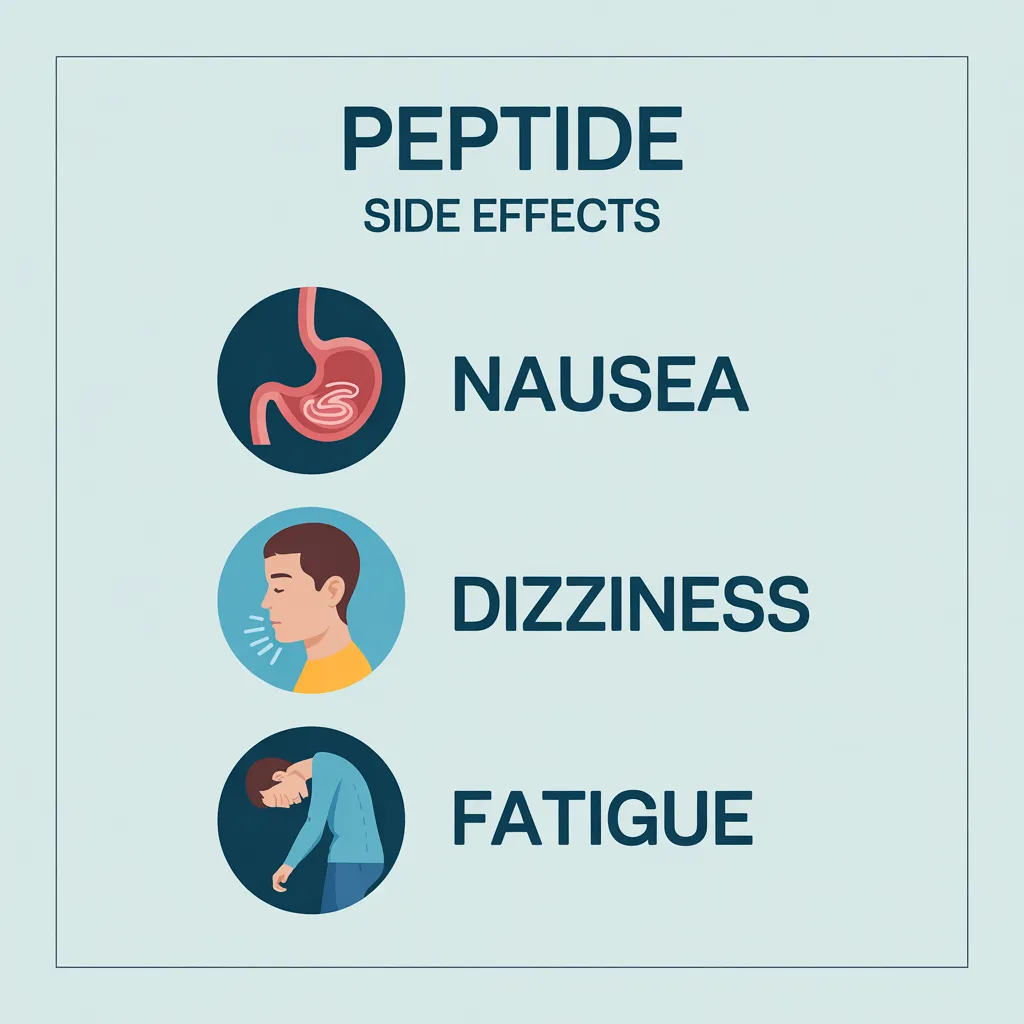
Even though the advantages of peptides are gaining recognition, it is important to also consider the potential risks and side effects related to their use. Users may suffer from a array of adverse effects, including injection site reactions such as redness, swelling, or pain. Some peptides can result in gastrointestinal problems, including nausea and diarrhea. Additionally, hormonal imbalances may occur, causing mood swings or changes in libido.
In more severe cases, specific peptides might trigger allergic reactions, indicated by itching, hives, or difficulty breathing. Extended-use impacts remain inadequately studied, raising concerns about the long-term influence on health. Additionally, incorrect dosing or unregulated sources can increase these risks, making it vital for individuals to speak with healthcare professionals before use. Comprehending these possible side effects is vital for anyone considering peptide therapy to make informed decisions regarding their health and overall health.
How Do Peptides Interact With Other Medications?
These peptides can interact with other medications, possibly causing substantial drug interactions. Understanding the mechanisms of action for both peptides and the concurrent medications is essential for evaluating these interactions. This knowledge helps healthcare providers mitigate risks and optimize treatment outcomes.
Possible Drug Interactions
How do peptides interact with other medications, and what does this mean for patient safety? Peptides can affect the pharmacokinetics and pharmacodynamics of various drugs, potentially leading to altered efficacy or increased toxicity. For example, some peptides may increase or inhibit the activity of enzymes accountable for drug metabolism, altering drug levels in the body. Moreover, combinations with anticoagulants or antidiabetic medications can lead to substantial side effects, requiring careful monitoring. Patients taking peptides alongside other treatments should inform medical professionals to evaluate potential interactions. Understanding these dynamics is vital for ensuring safe and effective use, highlighting the importance of individualized treatment plans and ongoing clinical oversight.
How It Works
Comprehending the mechanisms of action for peptides unveils their complex interactions with other medications. Peptides generally function through receptor binding, modulating cellular signaling pathways. This interaction can amplify or suppress the effects of accompanying medications. For instance, some peptides may regulate hormone release, potentially altering the efficacy of drugs that rely on hormonal balance. Additionally, peptides can impact absorption rates in the gastrointestinal tract, impacting the bioavailability of oral medications. Competitive binding at receptor sites also presents a risk of reduced effectiveness or increased side effects. As a result, understanding these interactions is essential for healthcare providers to optimize treatment plans and reduce adverse reactions. Appropriate assessment of peptide use alongside other medications ensures patient safety and therapeutic efficacy.
Making Smart Decisions About Peptide Use
When considering the use of peptides, individuals often face critical decisions that can significantly impact their health and well-being. It is crucial for potential users to conduct extensive research and understand the specific peptides they are evaluating. Each peptide may carry specific benefits and side effects, requiring an informed approach to selection. Consulting healthcare professionals can provide important insights, helping individuals consider the potential risks against the desired outcomes.
Additionally, comprehending the source and grade of peptides is crucial, as non-regulated products may create additional health dangers. Watching personal reactions during use is also crucial, as side effects can vary considerably between individuals. Individuals should emphasize their health by remaining informed and examining all elements, including daily habits, goals, and current conditions. Ultimately, making educated selections permits individuals to handle peptide use securely and effectively, fostering a balanced approach to their health and fitness ambitions.
Frequently Asked Questions
Do Some Individuals Experience Allergic Reactions from Peptides?
Allergic reactions to peptides can occur in some people. Common symptoms are itching, swelling, or respiratory distress. It's essential for users to monitor their responses and consult a healthcare professional if adverse effects occur.
Can You Legally Use Peptides Without a Prescription?
Peptides are typically legal to purchase without a prescription in numerous areas, though regulatory requirements differ. People should check local legislation and assess safety, efficacy, and potential health effects before employing peptides for any application.
How Long Will Peptide Side Effects Generally Last?
Side effects from peptides generally persist from a few hours to several days, depending on the individual, the particular peptide utilized, and the amount administered. Monitoring and consulting a medical professional can help handle any negative reactions efficiently.
Can Peptides Influence Mental Health or Mood?
Peptides have the potential to impact mental health and mood, as some can impact neurotransmitter levels or hormonal balance. Individual responses differ, with some users reporting changes in mood, anxiety, or overall mental well-being during usage.
Are There Particular Nutritional Recommendations During Peptide Use?
While utilizing peptides, a balanced diet high in proteins, healthy fats, and essential nutrients is suggested. Ensuring adequate hydration and incorporating vitamins and minerals can improve overall effectiveness and support the body's response during peptide therapy.