Liposuction Malaysia for Full Body Contouring
Exploring Liposuction: Pricing, Advantages, and Body Sculpting Information for Efficient Body Fat Reduction Solutions
Liposuction is a popular surgical method developed to address concentrated fat deposits. It works to redefine targeted zones, enhancing overall body contours. Even though the results can be compelling, individuals considering the procedure should thoughtfully assess the accompanying costs and potential complications. Grasping these factors is essential for those thinking about undergoing the surgery. What elements influence the differing price ranges, and how can individuals ensure optimal outcomes? Exploring these questions is important for informed decision-making.
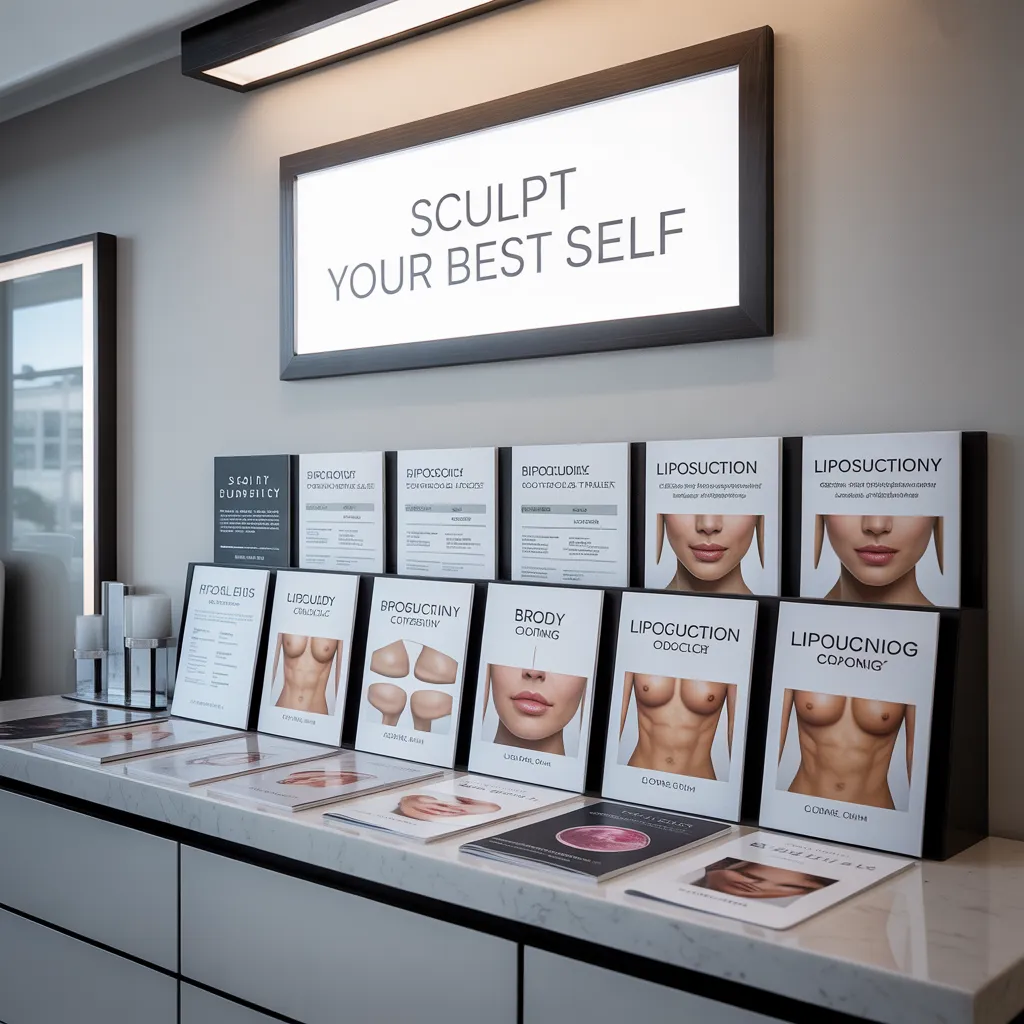
What Is Liposuction and How Does It Function?
Liposuction, a popular cosmetic procedure, is designed to remove stubborn fat deposits from various areas of the body. This operative procedure employs a cannula, a narrow tube placed through minor incisions in the skin. The surgeon employs suction to eliminate surplus fat, concentrating on regions such as the abdomen, thighs, buttocks, and arms.
Liposuction is conducted using local or general anesthesia, according to the complexity of the treatment. Various techniques, like tumescent and ultrasound-assisted liposuction, improve fat elimination and reduce harm to surrounding tissues. While not a weight-loss solution, the procedure aims to sculpt the body by improving contours and proportions. Recovery times vary, since patients frequently experience swelling and bruising following surgery. An in-depth consultation with a skilled surgeon is necessary to evaluate expectations, risks, and eligibility for the treatment.
Liposuction: Primary Benefits for Body Reshaping
Many individuals seeking body contouring discover that liposuction provides substantial advantages beyond simply removing fat. This cosmetic treatment precisely addresses persistent fat deposits that are unresponsive to diet and exercise, resulting in a more refined and contoured physique. By refining and reshaping body contours, liposuction is able to enhance overall body proportions, contributing to go to article enhanced self-confidence and a deeper satisfaction with one's physical appearance.
Furthermore, liposuction can deliver a more youthful look by eliminating excess fat in areas such as the stomach, thighs, and upper arms. Its minimally invasive approach shortens recovery time compared to more extensive surgical options, making it a preferred choice for many.
Moreover, liposuction can be performed in conjunction with complementary surgeries, such as abdominoplasty or breast lifts, to attain comprehensive body transformation. All things considered, the main rewards of liposuction reach past fat elimination, providing individuals a tailored approach to accomplishing their intended body shaping objectives.
What Are the Costs of Liposuction?
Recognizing the expense of liposuction is essential for prospective patients contemplating this body sculpting option. The typical procedure expenses can change substantially based on considerations including the procedure site, the surgeon's expertise, and geographical location. By analyzing these pricing factors, people can arrive at more educated choices concerning their available options.
Typical Procedure Expenses
The average cost of liposuction can vary considerably according to various factors, such as the treatment area, the surgeon's level of expertise, and the location where the procedure is performed. Generally, costs can fall between $3,000 and $10,000 per session. Treating smaller areas, such as the chin or arms, often results in reduced costs, whereas larger areas, such as the abdomen or thighs, may result in greater costs. Additionally, the reputation and qualifications of the surgeon can influence pricing, as more experienced professionals may charge premium rates. It is essential for potential patients to conduct thorough research and obtain multiple quotes in order to grasp the full financial investment required. Overall, budgeting for the procedure should also account for potential additional costs, such as anesthesia and facility fees.
Factors Influencing Pricing
Several factors considerably influence the pricing of liposuction, making it important for prospective patients to be aware of these variables. The surgeon's experience and reputation play a crucial role; board-certified surgeons usually charge higher rates owing to their proficiency. Location also plays a role in pricing, with urban centers generally having higher fees than rural areas. The type of procedure performed, such as tumescent or ultrasound-assisted liposuction, can impact pricing as well. Moreover, the extent of the procedure, including the number of areas treated and the volume of fat removed, adds to the total expense. Lastly, clinic fees, sedation costs, and recovery care should be taken into account, as they can significantly raise the overall cost associated with liposuction.
Which Factors Shape Liposuction Results?
Since numerous individuals turn to liposuction for its ability to deliver a more defined figure, several key factors can significantly impact the results of the treatment. One of the most important aspects to consider is the person's body type and the way fat is distributed. Hereditary traits commonly govern fat storage locations, which can have a notable effect on liposuction results. Moreover, the surgeon's level of proficiency and hands-on experience serve as essential determining factors; an experienced specialist is capable of delivering superior and more refined outcomes.
A patient's overall health, such as overall wellness and skin elasticity, can also impact recovery and the final appearance. Age is also a contributing factor, as younger skin typically has better elasticity, contributing to more refined final results. Additionally, aftercare following the procedure, including adherence to guidelines and lifestyle choices, plays a major role in determining how long-lasting the results are. At the core of it, all of these contributing elements determines the effectiveness of liposuction, which is why it is crucial for patients to consult thoroughly with their surgeons and maintain realistic expectations.
Key Steps to Get Ready for Liposuction
Getting ready for liposuction entails multiple essential steps that can considerably influence the outcome. Speaking with the surgeon is crucial to resolve any questions and comprehend the limitations of the procedure. Moreover, enhancing your general health before the procedure can enhance recovery and results.
Speak With Your Surgeon
How does one secure a positive liposuction outcome? One essential step is to consult with a qualified surgeon. During this consultation, potential patients should discuss their medical history, lifestyle, and aesthetic goals. This conversation enables the surgeon to evaluate the patient's candidacy for the treatment. Questions about techniques, recovery time, and potential risks should also be addressed to ascertain a clear understanding of the process.
Furthermore, patients ought to communicate anticipated outcomes and any concerns they might have. A thorough examination, involving physical measurements and photos, may be performed to tailor the approach. This cooperative process builds confidence and ensures that patient and surgeon are in agreement on desired outcomes, ultimately increasing the likelihood of a satisfactory outcome.
Understand Procedure Limitations
Recognizing the limitations of liposuction is vital for anyone contemplating the procedure, as it sets realistic expectations and helps in making informed decisions. Liposuction is not a method for losing weight but instead a body sculpting approach designed to eliminate targeted fat deposits. It cannot address issues such as loose skin, cellulite, or overall obesity. Additionally, results can vary based on individual factors, including age, skin elasticity, and metabolism. Individuals should likewise remain conscious of the possibility of complications, including infection or irregular contours. Ultimately, understanding these limitations allows individuals to approach the procedure with a balanced perspective, recognizing that liposuction is one part of a broader plan for achieving desired body aesthetics.
Enhance Your Health Before Surgery
What measures can people follow to improve their health prior to liposuction? Preparing for this procedure involves several essential measures. To begin with, keeping a consistent weight for a minimum of six months can improve results and minimize complications. A wholesome diet packed with essential nutrients sustains overall wellness and supports the healing process. Routine exercise not only boosts heart health but also assists in attaining a firmer and more toned body. Furthermore, refraining from smoking and reducing alcohol intake are essential, since these behaviors can hinder the recovery process. Speaking with a medical professional to review personal health history and existing medications is vital for tailored guidance. Lastly, keeping well-hydrated and controlling stress with calming practices can additionally support the body's preparedness for the procedure.
What to Expect for Post-Liposuction Care
Proper care after liposuction is vital for achieving optimal recovery and outcomes. Following the procedure, patients can expect to experience swelling, bruising, and discomfort in the treated areas. Proper post-operative care includes wearing a compression garment, which aids in reducing swelling and supporting the healing process.
Patients should adhere to the instructions provided by their surgeon concerning activity levels, usually steering clear of vigorous exercise for a number of weeks. Hydration and a balanced diet are vital for recovery, as they promote healing and overall well-being.
It is crucial to attend follow-up appointments to evaluate the healing process and manage any concerns. Managing pain may include prescribed medications or over-the-counter options, as suggested by the surgeon.
Finally, patience is essential, as final results may take several months to fully manifest. By following these guidelines, patients can optimize their recovery and achieve the desired body contouring outcomes.
What Are the Risks of Liposuction?
How safe is liposuction? Though it is broadly recognized as a safe option, liposuction does carry potential risks. Common complications include infection, which can arise when operative areas are not appropriately tended to, and substantial hemorrhaging, resulting in hematomas. Furthermore, asymmetrical results may occur as a consequence of improper fat removal, making supplementary corrective treatments necessary.
Patients can also suffer from a fluid buildup condition known as seromas, which might necessitate drainage. More serious risks include adverse reactions to anesthesia, blood clots, and harm to surrounding tissues or organs. In uncommon instances, fat embolism—a severe condition in which fat enters the bloodstream—may develop.
It is vital for people thinking about liposuction to speak with experienced professionals to discuss these risks thoroughly. Evaluating one's own health factors and selecting an experienced surgeon can significantly reduce potential complications and enhance overall safety during the procedure.
Questions We Often Receive
Can Liposuction Be Performed on Any Body Part?
Liposuction surgery may be carried out on various body parts, such as the arms, abdomen, thighs, and chin. Nonetheless, the suitability for every region depends on personal factors, including physical characteristics and aesthetic goals.
What Is the Typical Duration of Liposuction Results?
Liposuction results typically last for several years, particularly when body weight remains stable. However, factors such as lifestyle choices, aging, and hormonal changes can influence the longevity of the results, possibly making supplementary procedures necessary in the future.
Can Liposuction Be Performed Safely on All Body Types?
Liposuction is broadly regarded as safe for different body types, but individual factors such as health status, skin elasticity, and fat distribution play vital roles. Seeking counsel from a certified surgeon provides customized recommendations based on each patient's unique situation.
Can Liposuction Help With Cellulite Reduction?
Liposuction is not chiefly intended for cellulite reduction. Although it can enhance body contours, its effectiveness on cellulite varies. Patients often seek additional treatments specifically targeting cellulite for more noticeable results in skin texture.
At What Age Should You Consider Liposuction?
The optimal age for undergoing liposuction typically ranges from the late twenties to the early forties. Ideal candidates must have stable body weight, strong skin elasticity, and practical expectations to achieve optimal outcomes and reduce the risk of complications.