How a Home Paternity Test Provides Simple Cheek Swabs
Understanding the Science Behind At-Home Paternity Tests
The methodology powering home paternity tests has evolved considerably in recent years. These advancements enhance both reliability and ease of use. By employing non-invasive DNA gathering techniques and sophisticated analysis techniques, these tests deliver dependable outcomes. However, as the demand for these tests increases, various critical aspects require attention. Understanding how they work and the implications of their use is essential for anyone contemplating a test. What elements should be evaluated before reaching a conclusion?
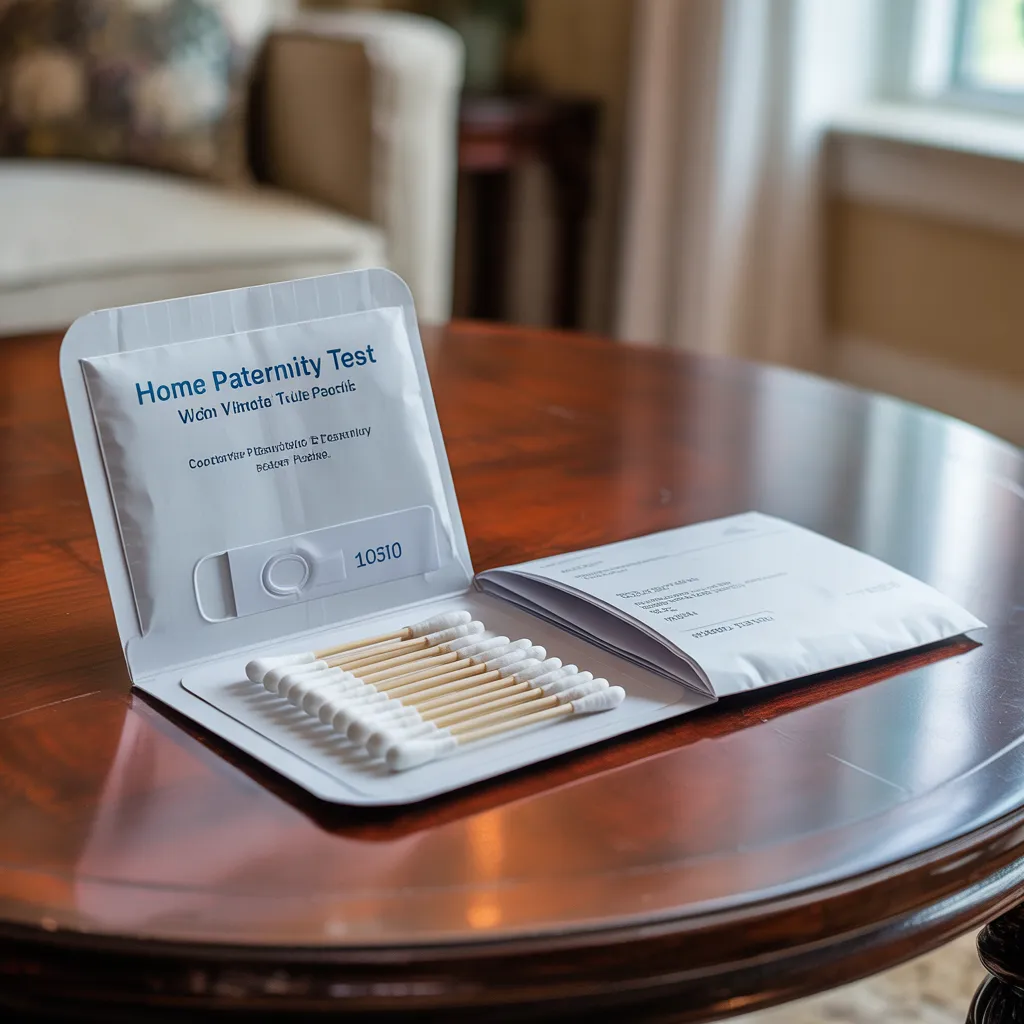
How Do Home Paternity Tests Work?
Home paternity testing works through a clear and simple process that generally involves gathering DNA samples from the alleged father and child. Such samples are commonly retrieved using simple cheek swabs, which are completely painless and non-invasive. Each person rubs the swab inside their cheek to retrieve DNA-containing epithelial cells. After the samples have been collected, they are forwarded to a laboratory for testing.
In most cases, the home paternity test kits provide detailed instructions for sample collection and packaging to ensure precise results. Following the processing stage, the testing facility compares the genetic markers from both samples to determine if there is a biological connection. The findings usually require a few days to a couple of weeks to arrive, varying by the testing service. Several paternity test kits also offer online result access, permitting people to access their results in a confidential and efficient way.
How DNA Testing Works in Paternity Examinations
Once samples have been collected and dispatched to the laboratory, DNA testing plays a critical role in establishing paternity. The process begins with extracting DNA from the submitted samples, usually saliva or buccal swabs. Next, specific regions of the DNA known as Short Tandem Repeats (STRs) are analyzed. These areas show considerable variation among individuals, making them valuable for identification.
Testing review this content facilities examine the STR indicators of the child with those of the alleged father. Matching results across an adequate number of these markers points to a strong likelihood of paternity. Statistical analyses are then applied to quantify the likelihood of paternity, often presented as a percentage. A 99.9% outcome is generally considered conclusive confirmation of paternity. Conversely, a lesser percentage implies the absence of a biological relationship. As a result, DNA analysis offers a scientifically grounded basis for confirming family connections, ensuring accuracy and reliability in home paternity testing.
Modern Breakthroughs in Paternity Genetic Testing
Recent advancements in paternity genetic testing have greatly enhanced the accuracy and accessibility of these procedures. Developments in next-generation sequencing (NGS) technology have allowed for more comprehensive genetic profiles, facilitating more precise identification between maternal and paternal genetic material. This method can examine millions of genetic markers simultaneously, substantially enhancing the reliability of test results.
In addition, the integration of machine learning algorithms has improved data processing, supporting speedier response times and minimizing human error. Firms have also directed efforts toward user-friendly kits that optimize the process of sample collection, allowing home testing to be more straightforward for users.
In addition, innovations in mobile apps offer live monitoring of testing outcomes and progress, boosting user experience. These advancements not only cultivate stronger trust in paternity testing but also extend availability for individuals seeking answers about family connections. In conclusion, the industry continues to advance, promising even more precise and accessible solutions in the years ahead.
Essential Factors Before Choosing a Home Paternity Test
When selecting a home-based paternity test, people should evaluate several essential factors to guarantee precise and dependable results. Initially, the test's accreditation is of great importance; credible organizations should be recognized by bodies such as the AABB. Next, the technology used in the testing process should be assessed. Testing methods using sophisticated DNA examination methods, including PCR or Polymerase Chain Reaction, generally offer superior reliability.
In addition, individuals should review the collection methods provided, as ease of use can affect the accuracy of the sample. The processing time for outcomes is another critical element, as speedier outcomes can be beneficial for those seeking timely updates.
Finally, expenses should be taken into consideration; while affordability is important, this should never affect the overall quality of results. By evaluating these key aspects, individuals can make informed decisions when selecting an appropriate at-home paternity test, ensuring trustworthy outcomes.
Privacy Issues in Home Testing
Although home paternity testing offers convenience and accessibility, privacy concerns remain a significant issue for many individuals. The process typically involves collecting DNA samples, which prompts questions surrounding data security and potential misuse. Numerous testing providers may retain personal data, increasing the risk of breaches that could expose sensitive data. Moreover, the confidential nature of the testing procedure can lead to complications, as individuals may fear that results could be shared without consent or employed as evidence against them in court cases.
Additionally, the absence of regulation in the home testing industry can compound these concerns. As opposed to medical laboratories, many home testing companies are not required to adhere to stringent privacy standards, leaving consumers vulnerable. As home paternity tests grow in popularity, it is crucial for individuals to carefully research companies and understand their data protection policies to preserve their personal information.
Questions We Often Receive
Are Home Paternity Tests Legally Admissible in Court?
Home paternity tests are generally inadmissible in court due to questions surrounding their accuracy, chain of custody, and lack of oversight. Court-recognized paternity generally necessitates tests performed in a regulated, accredited clinical laboratory setting.
How Accurate Are Home Paternity Tests Compared to Lab Tests?
Home paternity tests typically boast upwards of 99% accuracy when confirming genetic connections. However, laboratory tests are commonly regarded as superior in reliability owing to stringent procedures, extensive quality control, and expert supervision, guaranteeing accuracy in legal proceedings.
What Samples Can Be Used for Home Paternity Testing?
At-home paternity testing typically uses biological samples like cheek swabs, saliva, or blood. These biological materials offer genetic material for comparison, ensuring accurate results when processed under established procedures and conditions, similar to laboratory testing methods.
What Is the Turnaround Time for Receiving Test Results?
Results from home paternity tests usually take anywhere from three to five business days. However, processing times may vary depending on the laboratory and the specific test, possibly taking a week or longer in certain circumstances.
Are Home Tests Able to Identify Multiple Potential Fathers?
Home paternity tests typically focus on a single alleged father. They cannot reliably determine multiple potential fathers simultaneously, as these tests are structured to compare genetic material from a single individual.