Best DNA Paternity Test Options for At-Home Testing
The Growth of At-Home Paternity Testing: Precision, Confidentiality, and Ease
The increasing prevalence of home paternity tests highlights a notable shift in how individuals approach parentage verification. With reliability rates commonly reaching beyond 99%, these tests present a practical approach for DNA sample collection. However, underlying concerns about privacy about personal genetic information remain prevalent. As more people explore this form of testing, they must consider the impact of privacy, accuracy, and emotional impact. Which considerations should guide them in determining the right course of action?
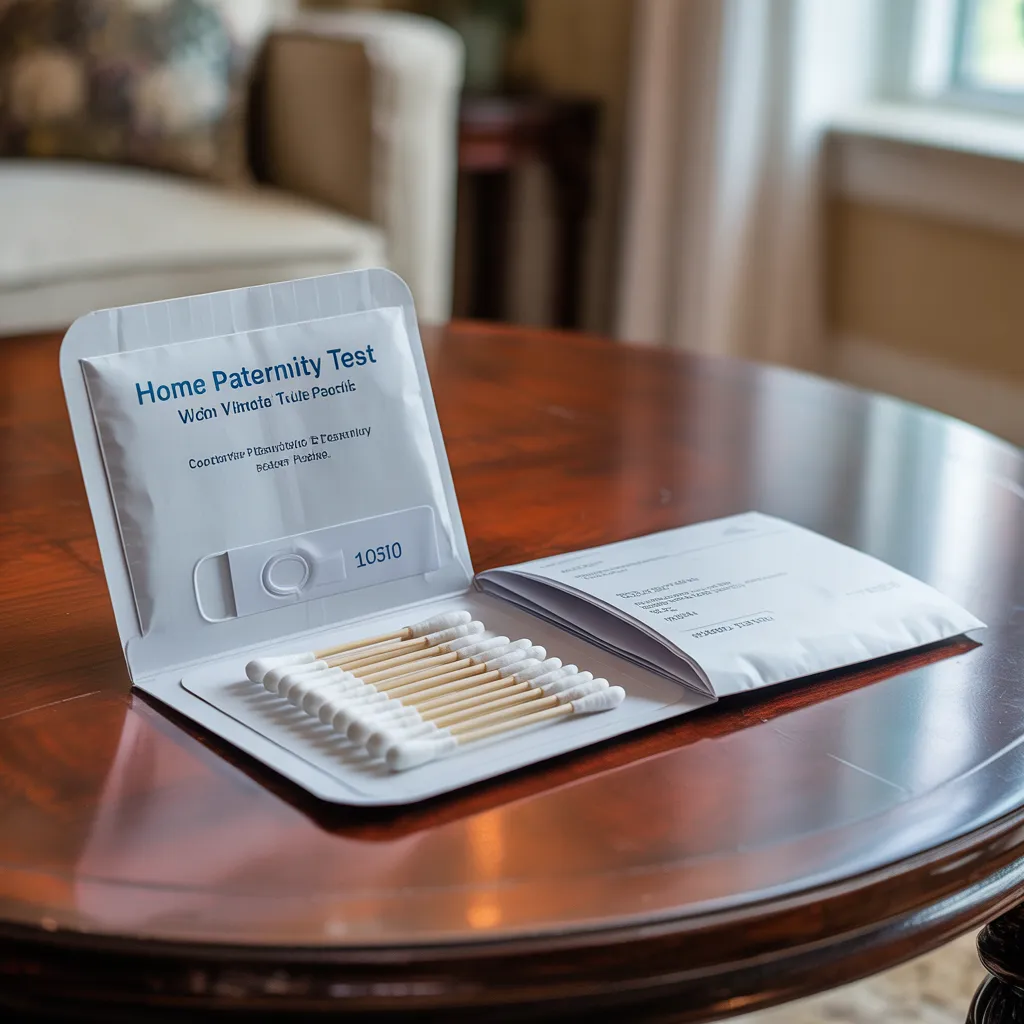
How Do Home Paternity Tests Work?
Home paternity tests typically function via a simple procedure that involves gathering DNA specimens. Individuals receive a testing kit that includes swabs for collecting cheek cells, usually from both the prospective father and the child. Individuals are directed to carefully swab the interior of their cheeks in order to collect an adequate amount of genetic material. Once the specimens have been gathered, the swabs are secured in provided containers and then forwarded to a testing facility for evaluation.
At the laboratory, the DNA is isolated and studied to identify specific genetic markers. This analysis compares the DNA profiles of the child and the alleged father to establish biological parentage. Outcomes are generally provided within a few days, and the procedure is intended to remain user-friendly, guaranteeing little inconvenience. The convenience of home testing appeals to many, permitting individuals to obtain clarity in the comfort of their personal space. This procedure highlights the assessment's rising demand as a reliable option for confirming paternity.
How Accurate Are Home Paternity Tests?
What level of accuracy do home paternity tests provide in establishing biological relationships? Typically, these tests are designed to provide a high degree of accuracy, frequently surpassing 99% when performed properly. The process involves analyzing DNA specimens from the presumed father, child, and in some instances the mother, matching genetic markers to determine a relationship. That said, the precision of these tests can be compromised by issues like sample contamination or inadequate handling practices.
Many home tests utilize advanced techniques akin to those in clinical laboratories, yet they may be without the rigorous supervision linked to professional testing. Moreover, results can fluctuate between various brands and products, highlighting the importance of selecting a trusted supplier. While home paternity tests can provide a clear suggestion of biological ties, individuals should exercise discretion, considering that legal and emotional implications may result from the findings. In the end, for absolute certainty, working with a professional testing facility is recommended.
What Are the Privacy Concerns?
Although home paternity tests provide a convenient way to establish biological relationships, they also introduce significant privacy concerns. The acquisition and processing of genetic data, commonly obtained through saliva or cheek swabs, has the potential to cause unauthorized access or misuse. A large number of firms do not assure the confidentiality of submitted samples, placing individuals at risk of data breaches.
Additionally, the findings may be shared with third parties without explicit consent, intensifying worries of discrimination or bias. Individuals may also be unaware of how their genetic data will be retained or potentially used for research purposes.
In addition, the affective dimensions connected to unforeseen outcomes can create additional challenges within the privacy framework. Taken together, while these examinations present user-friendliness and accessibility, the deficiency of rigorous regulations and transparency in data handling generates important inquiries about the privacy rights of individuals and ownership of their own genomic information.
How Do Test Outcomes Impact Emotional Well-Being?
The emotional fallout from paternity test results can be profound and far-reaching. Those involved may experience a practical guide whirlwind of emotions, ranging from happiness and relief to resentment and heartbreak. For certain individuals, a positive match can affirm long-held beliefs, fostering a feeling of belonging and stability. In contrast, a negative result may lead to emotions of uncertainty, bewilderment, and grief, particularly if a familial bond is challenged.
These sentiments often spread beyond the individual to influence relationships within families. Parents may grapple with fear and guilt over the implications for their children, while brothers and sisters may experience changes in how they view family relationships. Furthermore, social stigma can exacerbate these feelings, as individuals navigate societal expectations surrounding parentage. Ultimately, the mental effect of paternity testing outcomes can vary significantly, highlighting the complex interplay between identity, trust, and emotional well-being.
Key Factors for Choosing a Home Paternity Test
Working through the complex emotions in the wake of paternity test results frequently causes people to contemplate their next steps carefully, particularly when deciding on a home paternity test. A number of important considerations deserve attention to secure a trustworthy and positive outcome.
Initially, precision is essential; users should pursue tests that demonstrate strong sensitivity and specificity ratings. Next, simplicity of use is fundamental; a straightforward collection process can alleviate stress. Confidentiality represents another major consideration; established organizations ought to assure protected processing of private data and findings.
Cost is also a factor; potential users should weigh the price against the test's credibility and support services. In addition, user reviews and personal accounts shed light on the experiences of fellow customers, providing direction when navigating available choices. By evaluating these factors, users can reach thoughtful conclusions that suit their specific needs and standards.
Popular Questions We Receive
Are At-Home Paternity Tests Accepted as Legal Evidence in Court?
At-home paternity tests are commonly unable to be used as legal evidence in court due to concerns about accuracy and the lack of standardized procedures. Courts typically require tests conducted by accredited laboratories for reliable legal evidence in paternity cases.
What Is the Turnaround Time for Home Paternity Test Results?
Results from home paternity tests generally take between three to five days to be processed. Certain providers offer accelerated processing services, reducing the wait time to just 24 hours, depending on the specific testing method used.
Can I Retest if I'm Unsure of Results?
Yes, people can repeat the test if unsure of their results. It is recommended to wait a short period before testing again to guarantee accuracy. Consulting a professional can also offer insight into the most appropriate course of action.
Which Samples Are Required for At-Home Paternity Tests?
At-home paternity tests typically require cheek swabs from both the child and the presumed father, though some kits may also accept samples taken from blood. Correct collection and careful handling of these samples is critical to achieving accurate results.
Are There Age-Related Limitations for Children's Testing?
There are generally no specific age restrictions for testing children with home paternity tests. Nevertheless, securing consent from a legal guardian is generally necessary, guaranteeing that the child's rights and personal privacy are honored throughout the procedure.